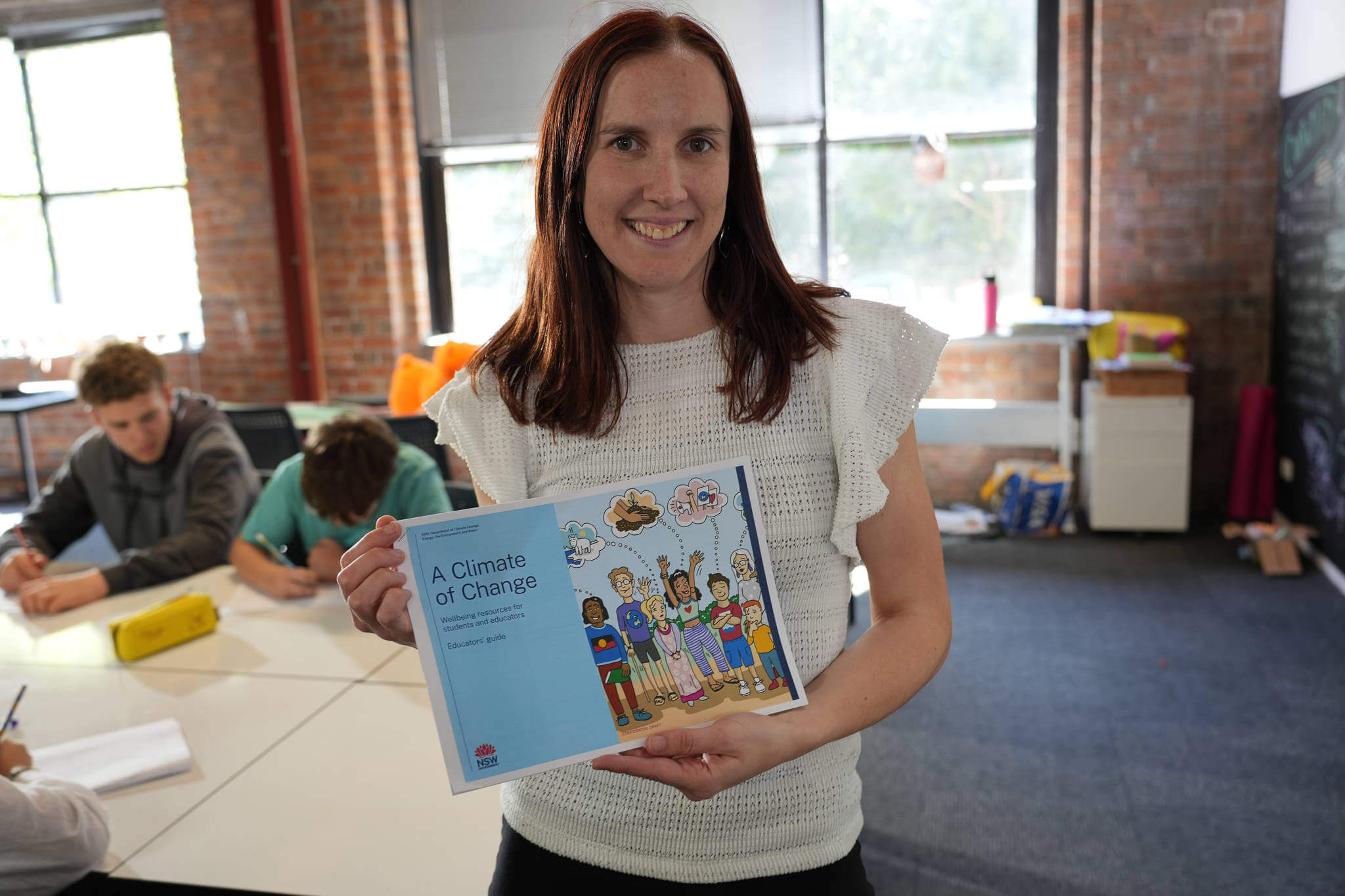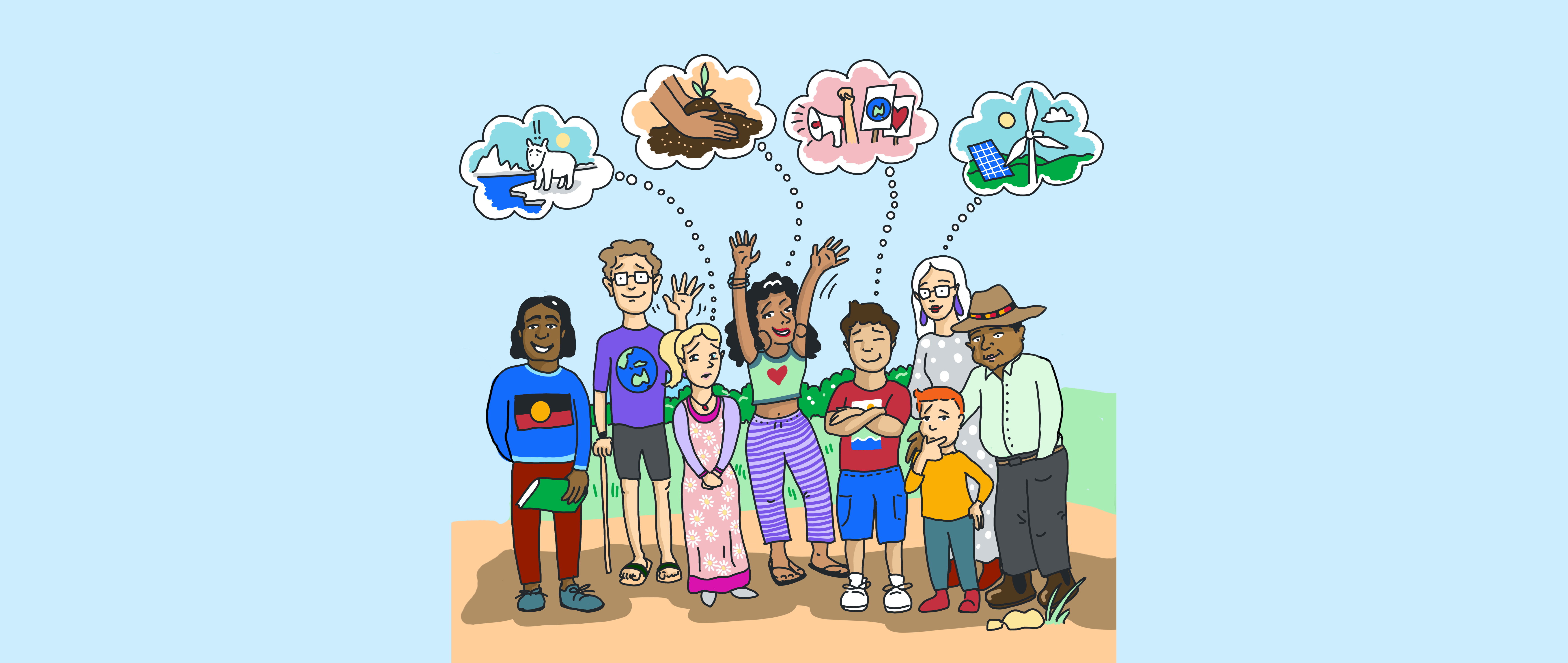
This six-lesson program, developed with wellbeing experts and educators, builds students emotional literacy, resilience and agency. Each themed lesson includes videos, prompts, posters and educator scripts to spark discussion, support reflection and guide students in exploring emotions and positive futures.  

Watch the introductory video to gain insights from students, teachers and specialists and get started with the resources.
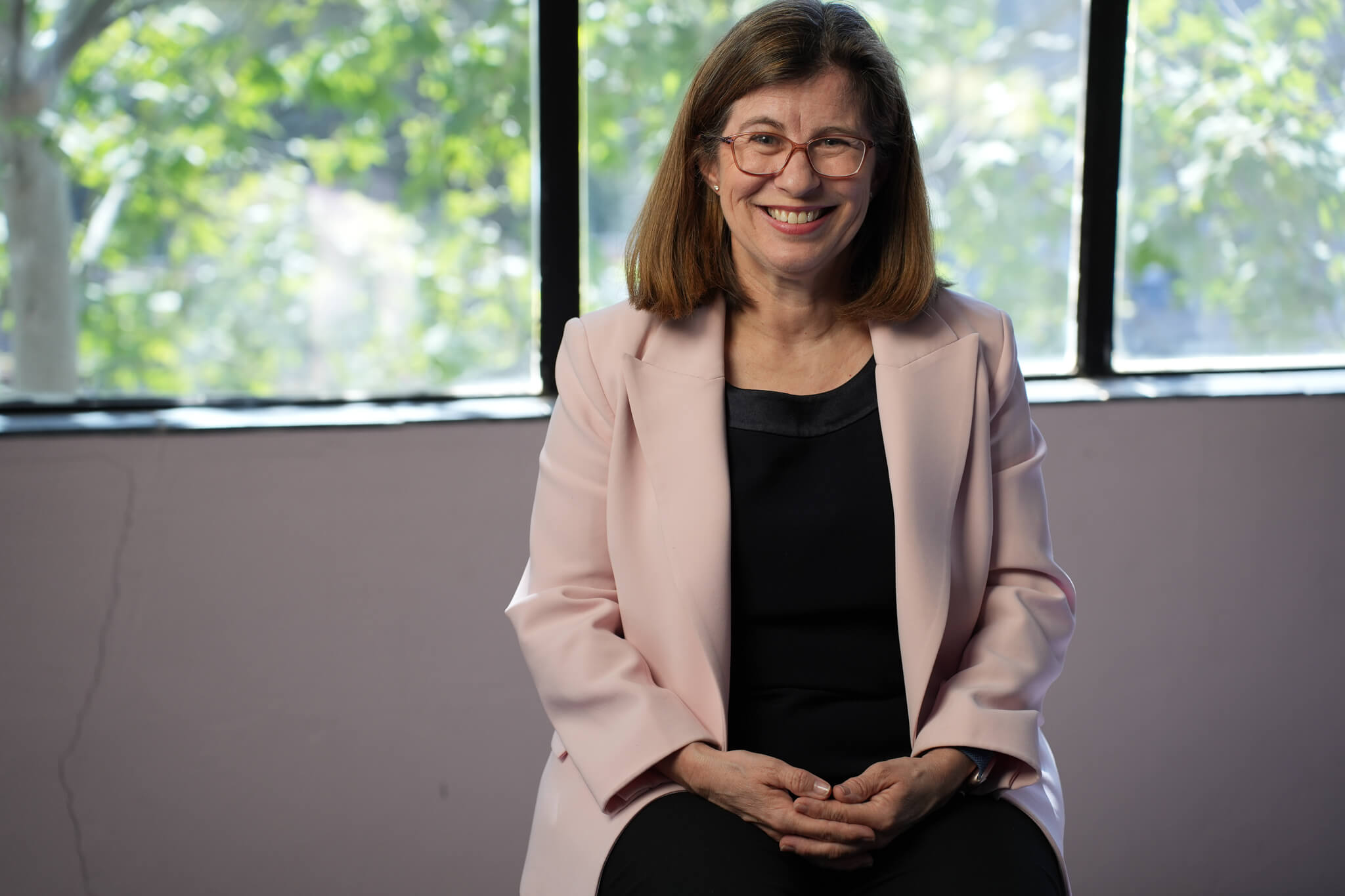
"A Climate of Change is an excellent resource for educators who want to help their students navigate the psychological impacts of climate change. Students who participated in our evaluation of the program felt calm and connected. They valued the opportunity to share emotions and climate experiences in a trusted group.”

- Dr Chloe Watfern, Postdoctoral Fellow, Black Dog Institute

#

“I would really recommend that educators in schools support trialling these resources with the support of research and examining what the outcomes are so that they can continue to develop because they have enormous promise to be something that can really make a difference  for children and young people.”

- Dr Cybele Dey, Child and Adolescent Psychiatrist and clinical researcher, Sydney Children’s Hospitals’ Network

Image of Dr. Cybele Dey

“It made me look at climate change in a whole different perspective. It really also gave me some options, possibilities, new ways to discover how I can help.”

- student feedback from the 2025 pilot program

#

What you can expect

Make the most of this wellbeing resource. Start by watching the video below. Then take a few minutes to explore each lesson before teaching. This will help you feel confident and ready to guide meaningful conversations. Most importantly, set the tone for a safe, respectful space where students feel comfortable sharing and reflecting.

Download educator's guide


wombat illustratiom

A Climate of Change lesson plans

Explore the 90‑minute lesson plans designed to support learning and action:
#

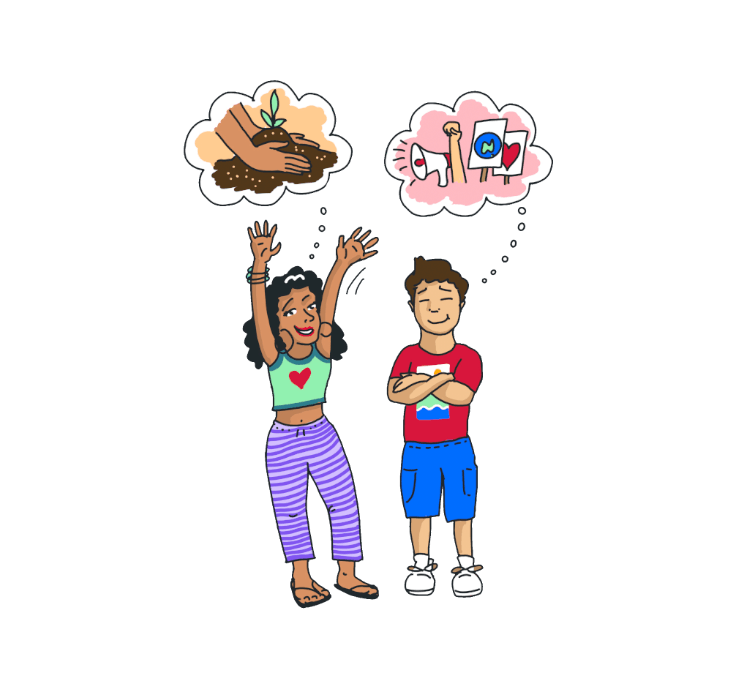
How can staying aware, connected, and active help us respond to climate change while supporting our own and others’ wellbeing?
#

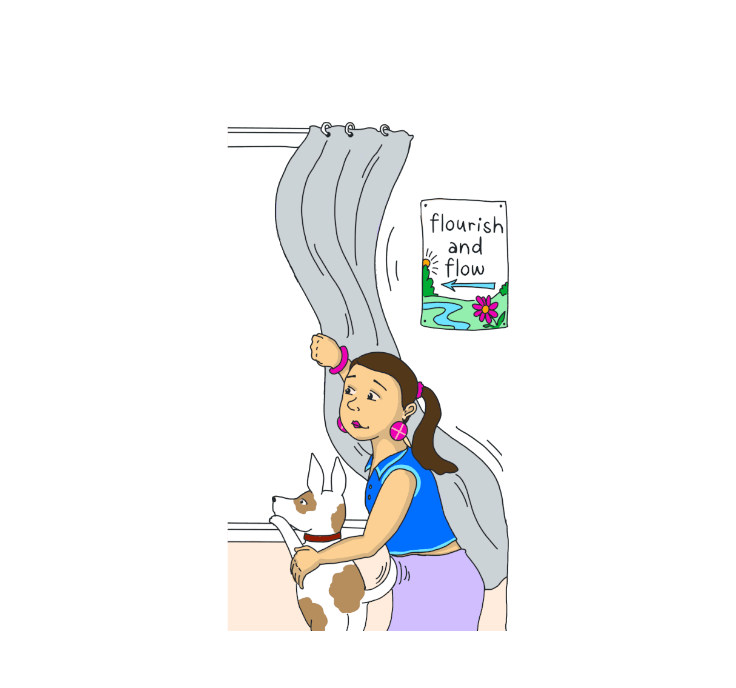
How can we thrive, flourish, be well and happy among all the social, economic, and environmental impacts of climate change?

#

How can we recognise and work with climate-related emotions in ways that support wellbeing and lead to positive action?
#

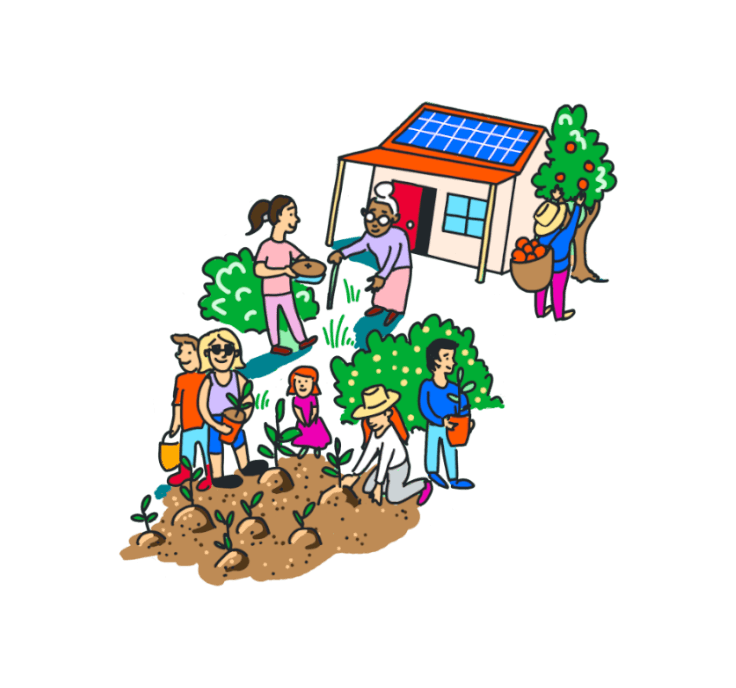
How can we stay grounded and engaged as climate impacts grow, while remaining hopeful and inspired as we work for meaningful change?
#

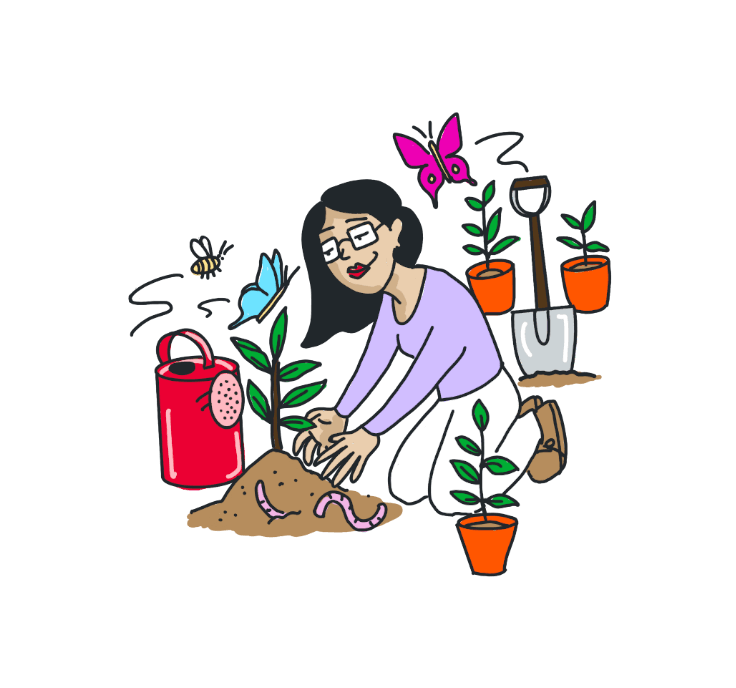
When the scale of climate change feels overwhelming, how can we find our place, focus our efforts, and take action that aligns with our values, strengths and capacity?

#

How can connecting with nature support our wellbeing, and how can we practise reciprocity with Country and all living beings, even when access to natural places is limited?
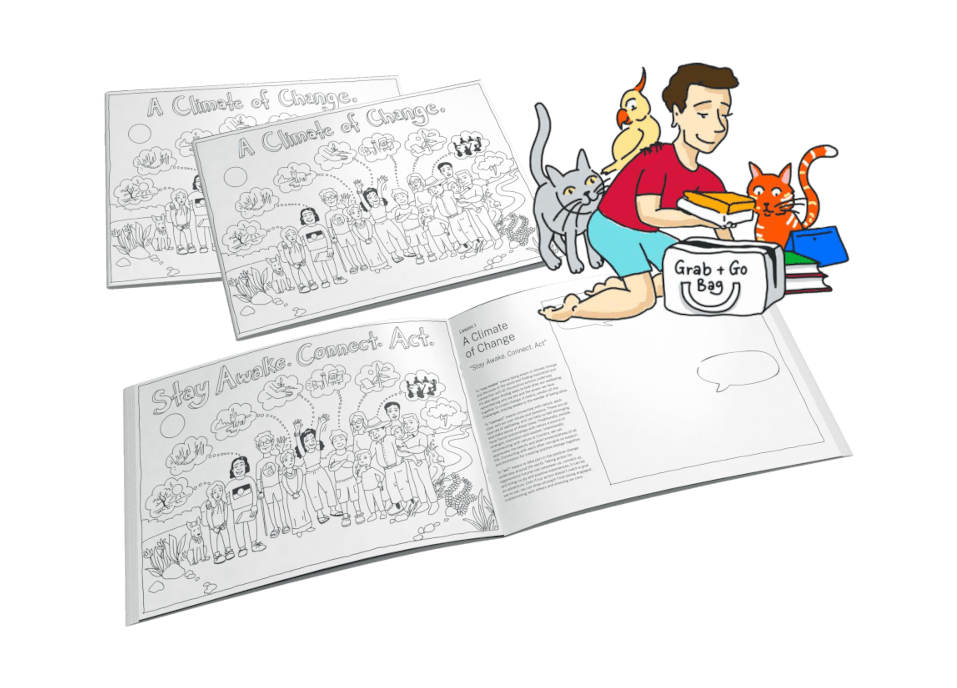
Download the student journal

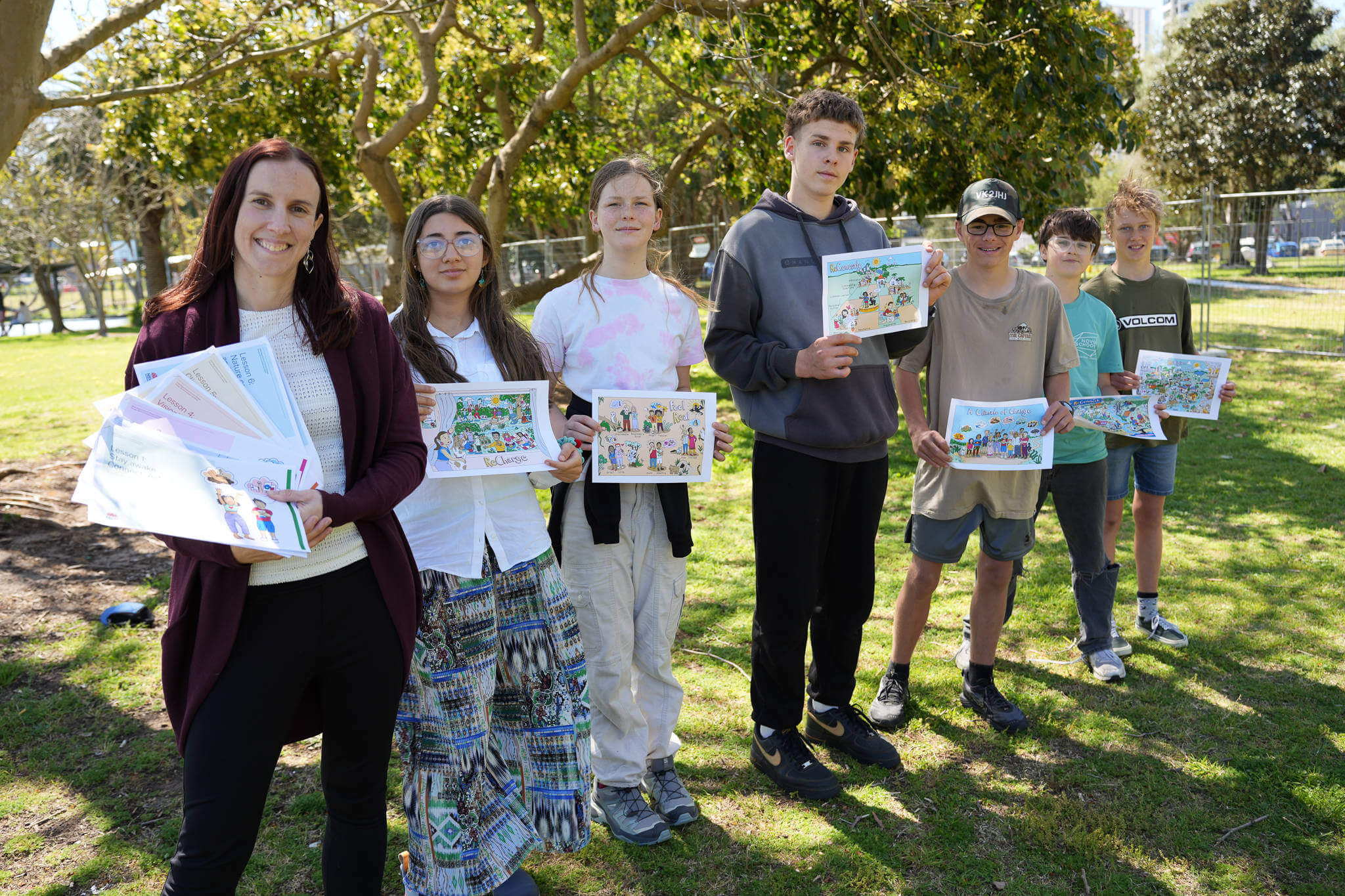
A Climate of Change comes with a black-and-white printable booklet - a creative space where students can explore their thoughts, feelings and ideas about climate change. Packed with activities and prompts, it's their personal guide to reflect, express and imagine how they can make a difference.

#

Download entire resource pack

The A Climate of Change resource pack includes the educators' guide, 6 lesson plans and the student journal. Download it today to support students in building emotional literacy, resilience and agency.

Download resource pack

A Climate of Change Resource Pack

"I think having the foundational skills that this program provides is excellent for all teachers because it gives you  the strategies to cope with discussions with students which may be led astray from normal curriculum”.

- Crystal Mawhinney-Blake, Aboriginal Liaison Officer / Teacher Gumbaynggirr Country, Clarence Valley Anglican School

#

“The resources were really easy to use. It was great to have the educator video, clear outlines of where the lesson was going, but also allowing me to put my own little personality in and relate it to things we’d been talking about in other classes and also things relevant to our local area.”

- Rochelle Smith, STEM teacher, Novoschool

#