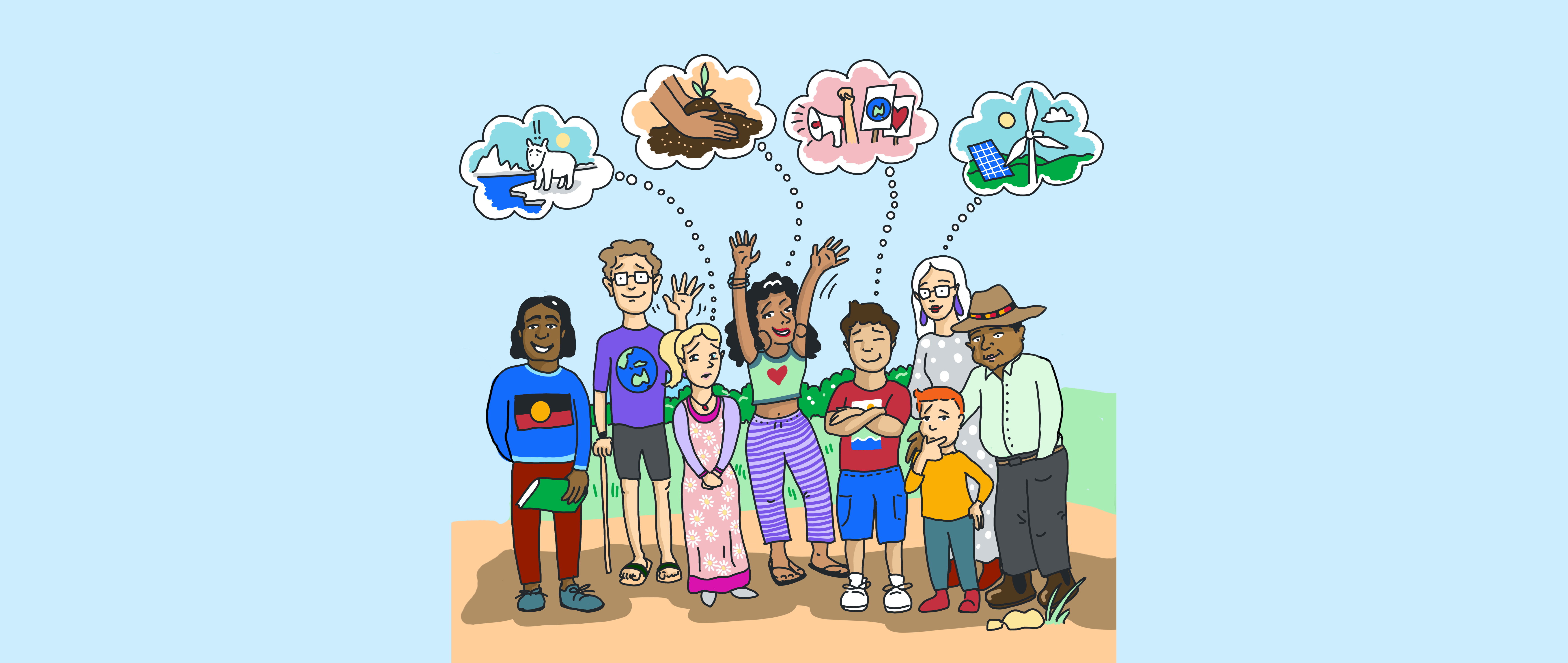
This six-lesson program, developed by wellbeing experts and educators, builds students emotional literacy, resilience and agency. Each lesson includes videos, prompts, posters and educator scripts to spark discussion, support reflection and guide students in exploring emotions and positive futures.
-
Exploring climate emotions (15 minutes)
Support students to reflect on and share their feelings about climate change with others, recognising that these emotions are common and that they are not alone in experiencing them.
-
Video and discussion (15 minutes)
Show the students the lesson video and facilitate a guided discussion.
-
Reframing climate feelings (30 minutes)
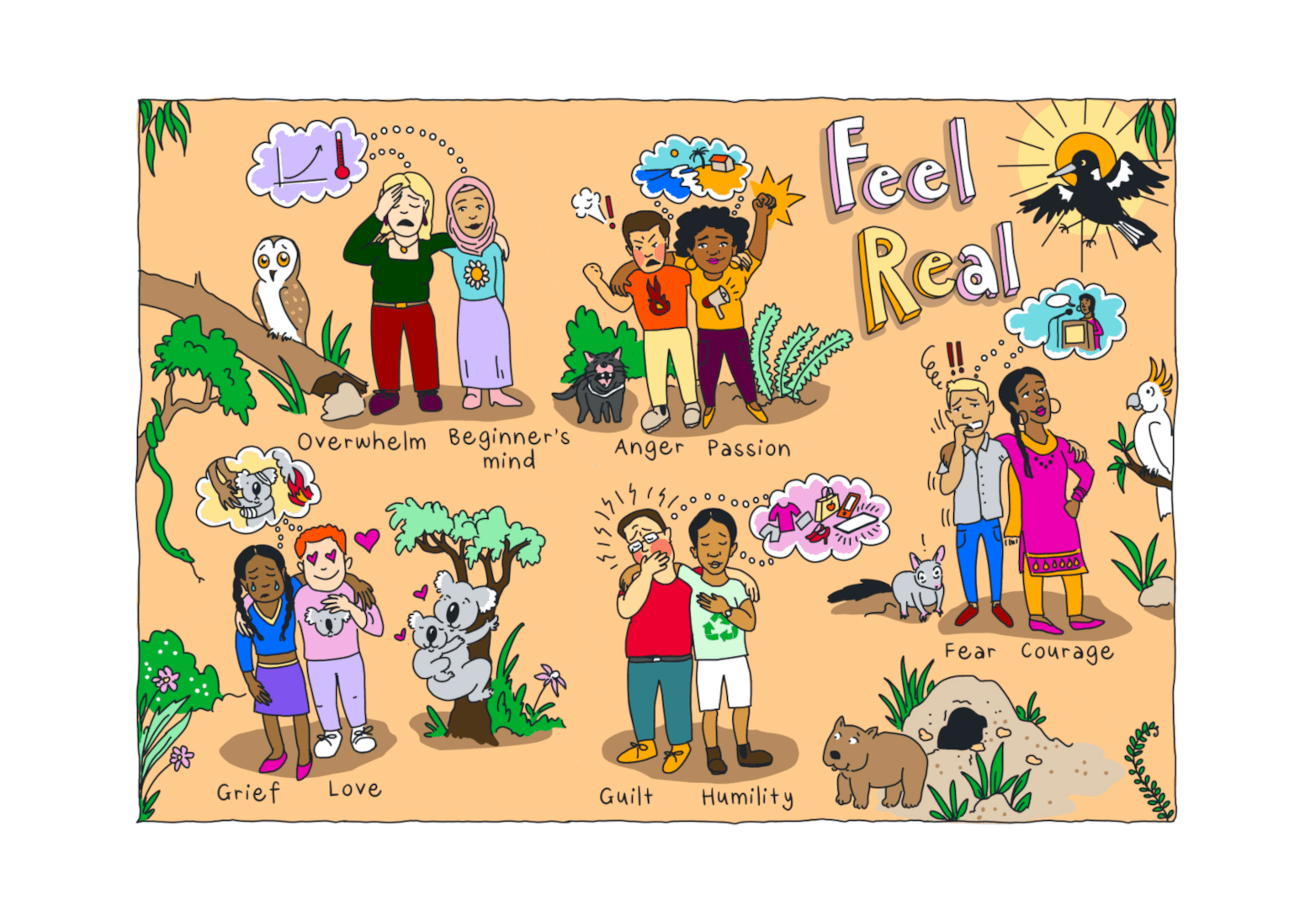
Support the students to identify 5 common feelings associated with climate change and explore their ‘flipsides’. They examine how difficult emotions can be reframed into strengths, motivations, or capacities for positive action.
-
First Nations perspective and contemplation (20 minutes)
Guide an exploration of First Nations perspectives on caring for Country.
-
Reflection (10 minutes)
Guide a reflective activity to consolidate learning and personal insights.
By the end of the lesson, students will be able to:
Identify and name a range of emotions connected to climate change, recognising that uncomfortable feelings are valid, valuable and shared experiences.
Understand the relationship between feelings and action, including the ‘flipsides’ of emotions, and how challenging feelings can be processed into empowering feelings and motivation for positive action.
Reflect on how it feels to ‘lean in’ to challenging emotions, practise nervous system regulation strategies, and share with others to build connection and collective support.
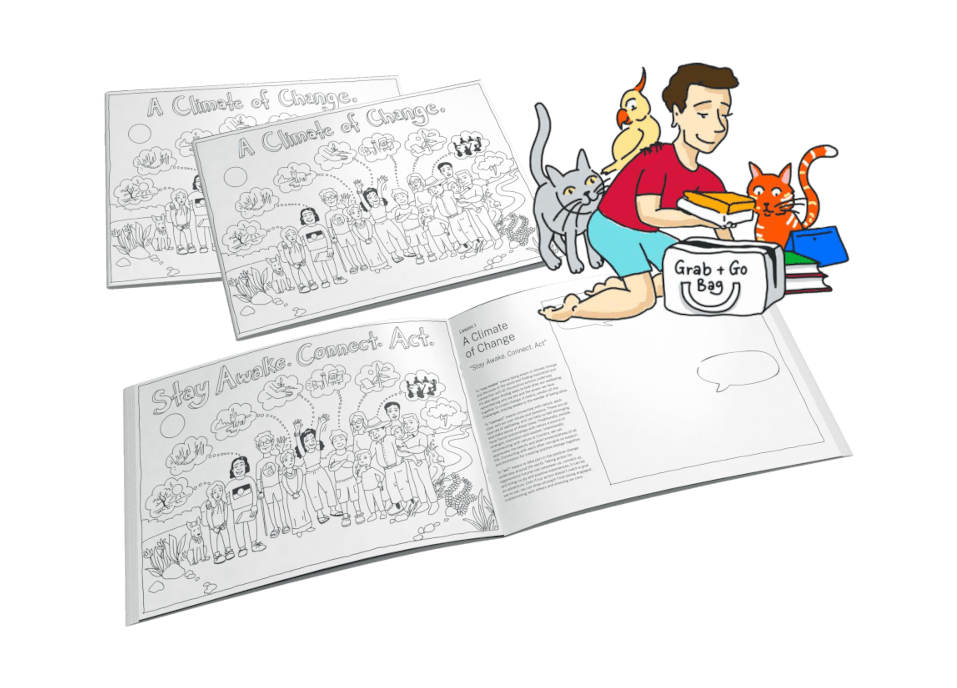

A Climate of Change lesson plans
Explore the 90‑minute lesson plans designed to support learning and action:

Stay Awake. Connect. Act.
How can staying aware, connected, and active help us respond to climate change while supporting our own and others’ wellbeing?
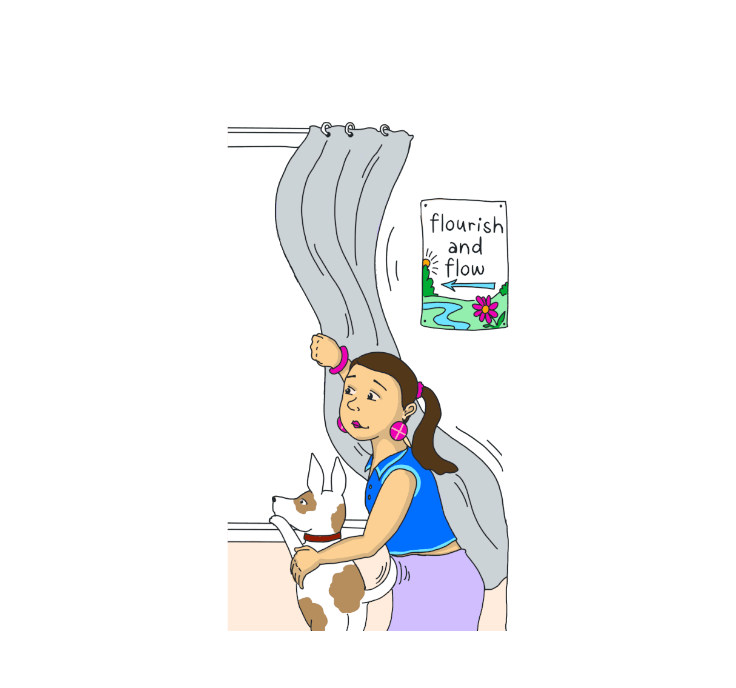
Thriving in times of uncertainty
How can we thrive, flourish, be well and happy among all the social, economic, and environmental impacts of climate change?
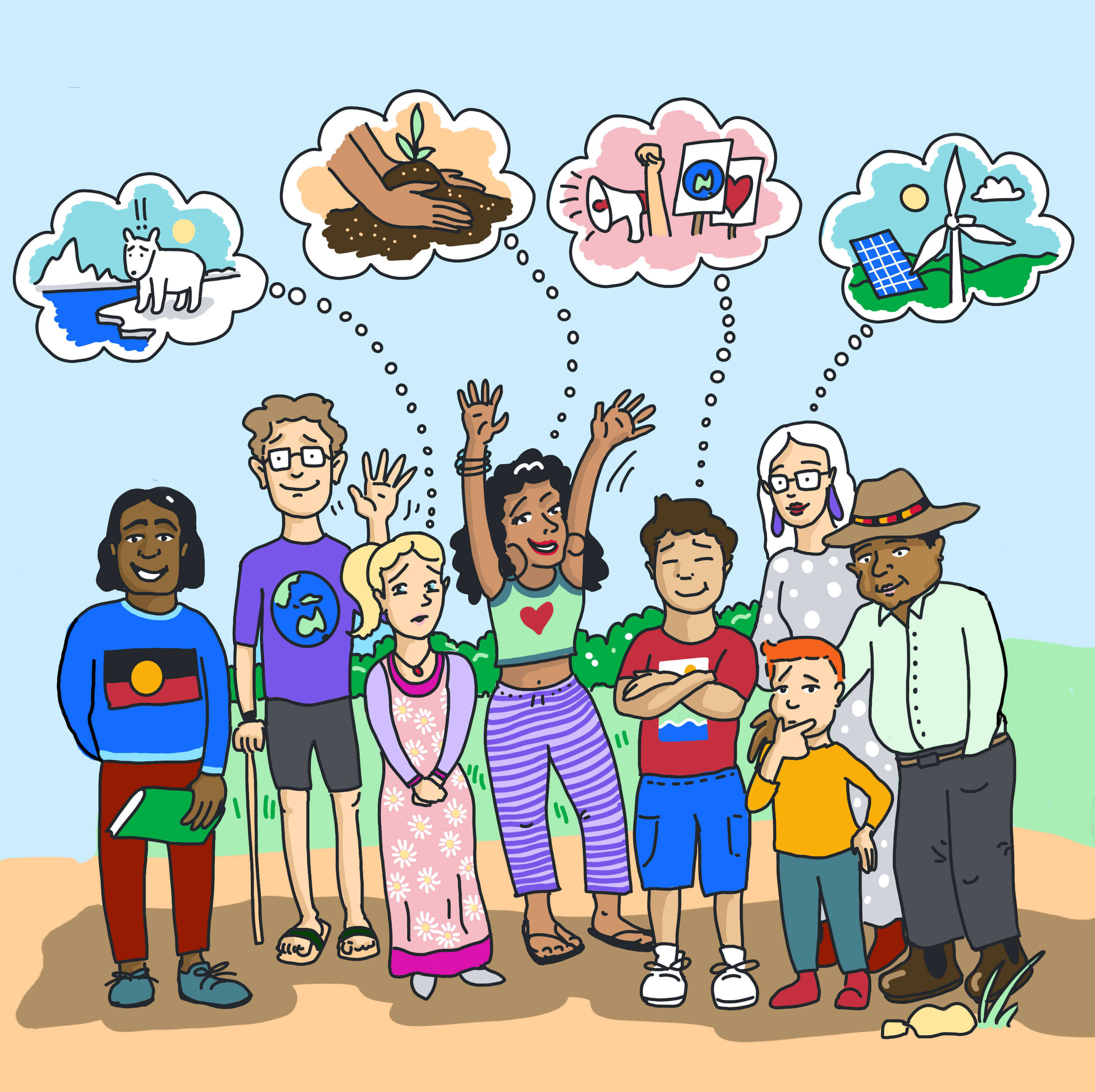
Big climate feelings? Help students navigate them.
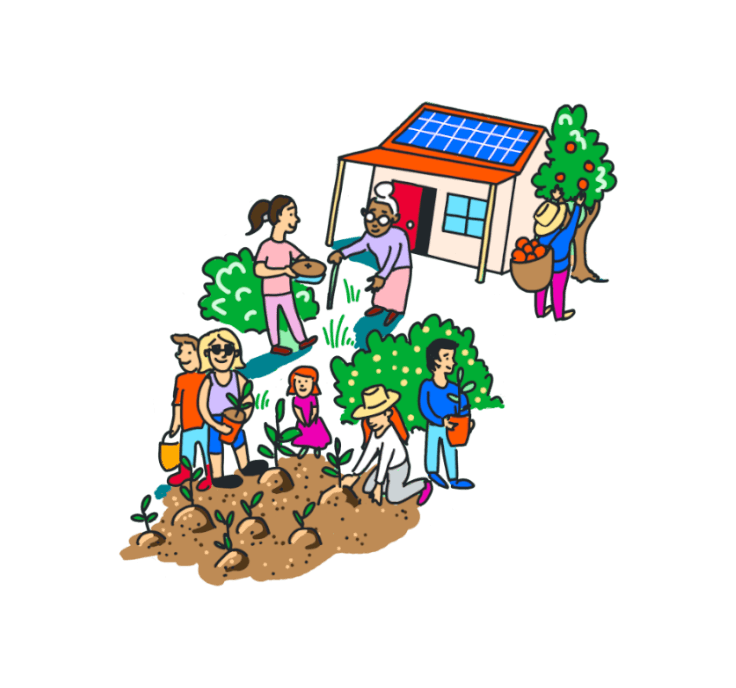
Visioning and inspiration
How can we stay grounded and engaged as climate impacts grow, while remaining hopeful and inspired as we work for meaningful change?

Climate action
When the scale of climate change feels overwhelming, how can we find our place, focus our efforts, and take action that aligns with our values, strengths and capacity?

Nature connection and reciprocity
How can connecting with nature support our wellbeing, and how can we practise reciprocity with Country and all living beings, even when access to natural places is limited?