Key points
- The New England and North West region includes the Liverpool Plains in the south, Glen Innes and Armidale on the New England Tablelands, and Tamworth and Moree on the North West Slopes and Plains.
- The region has rich, fertile soil, and is responsible for about 20% of NSW's agricultural production, with key industries including cotton, wool and cattle.
- Climate change is affecting the New England and North West region, particularly through increasing temperatures. Projections show temperatures are expected to keep rising, rainfall patterns will change, there will be more hot days and heatwaves, and fire weather will increase.
- The NSW Government is helping the New England and North West region adapt to climate change through the Enabling Regional Adaptation work. This is being achieved by working with state and local government stakeholders to identify key aspects of the New England and North West region that are vulnerable to climate impacts, along with challenges and opportunities to adapt.
Importance of the New England and North West region








The New England and North West region encompasses the traditional lands of the the Anaiwan, Banbai, Bundjalung, Githabul, Gumbaynggirr, Kamilaroi, Kwaimbul, Ngoorabel and Dunghutti peoples. Tamworth and Armidale are the main urban centres in the region, with other regional settlements of Glen Innes, Inverell, Moree, Narrabri and Gunnedah.
Its population has a higher proportion of children compared to the NSW and ACT average.
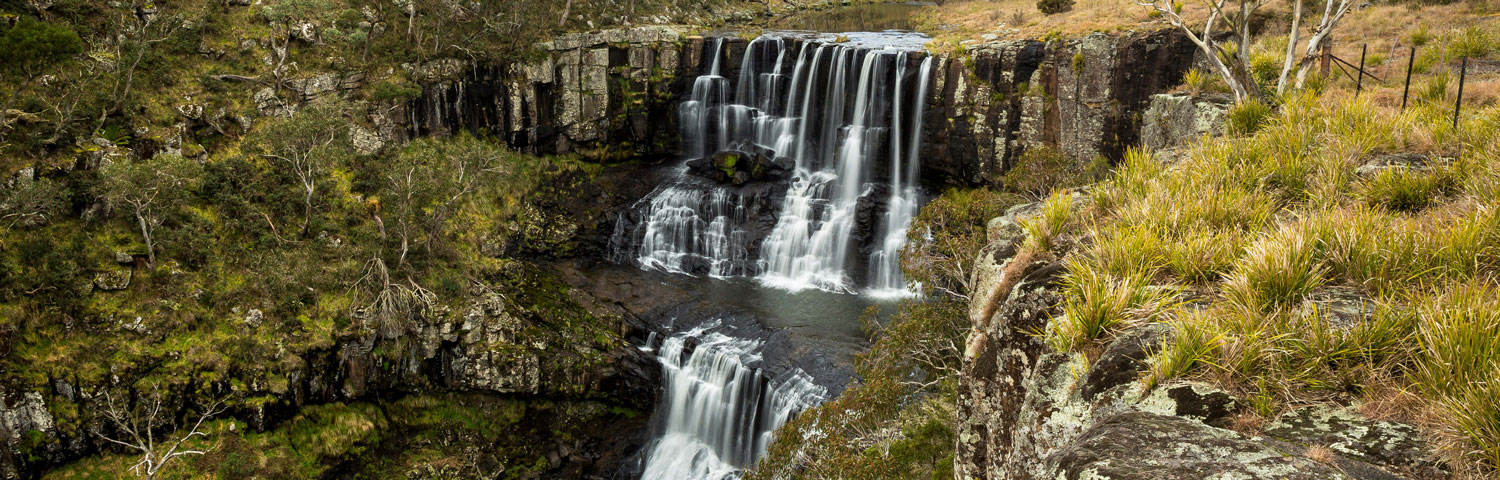
The New England and North West region covers a large area including the Liverpool Plains, New England Tablelands and the north-west slopes and plains. The region has dramatic and varied landscapes, and clearly defined seasons. It includes protected ecosystems, World Heritage-listed rainforests, internationally recognised wetlands and ecological communities at Mount Kaputar that occur nowhere else in the world.
The region has rich fertile soil with elevated inland tablelands and broad floodplains on west-flowing rivers, making it ideal for agriculture.
The region is responsible for about 20% of NSW's agricultural production and plays a significant role in international exports. These include cotton, wool, cattle and crops such as barley, wheat and sorghum. Other industries include tourism, retail and educational services. There are several NSW government agricultural research stations in the region.
The largest industries of employment for the region are health care and social assistance, agribusiness, education and training, retail trade and construction.
These cultural, environmental and economic values are just some aspects of the region which have been identified as being highly vulnerable to climate change. Climate change is already affecting the New England and North West region, particularly through increased temperatures and more extreme weather events. The impacts of this can be seen through recent prolonged drought and the widespread bushfires of 2019–2020, which burned properties, farmland and critically important environments.
The region’s climate has provided the foundation for many of its current social, ecological and economic systems. Now, climate change is altering these foundations, with impacts already visible and expected to grow as they are impacted by increased temperatures, more hot days, fewer cold nights, higher rainfall variability and greater fire danger.
How the New England and North West is affected by climate change

Climate projections for the New England and North West are shown relative to a baseline. This consistent reference point (the baseline) avoids the problems that could occur if future projections are measured against a shifting point of comparison, such as a constantly moving 'current' period.
- The baseline period: the modelled average of the 20-year period between 1990-2009.
- Middle of the century (2050): the projected average of the 20-year period between 2040-2059.
- End of the century (2090): the projected average of the 20-year period between 2080-2099.
Detailed information on the projected climate changes for the region is located in the New England and North West snapshot or can be explored further through the Interactive climate change projections map.
Projections for the New England and North West









Temperature
Across the New England and North West region, average temperatures are projected to rise throughout this century under all emissions scenarios. The main difference between scenarios is the scale of change: lower emissions show slower and more moderate increases, while higher emissions lead to a greater and ongoing rise in average temperature.
Under a low-emissions scenario, the rate of average temperature increase is expected to slow around the middle of the century. Under medium- and high-emissions scenarios, temperatures are expected to keep climbing past the middle of the century with no sign of levelling off by the end of the century, with faster and greater increases under a high-emissions scenario.
Hot days
Across the New England and North West region, the number of hot days is projected to increase throughout this century under all emissions scenarios. The main difference between scenarios is the scale of change: lower emissions show slower and more moderate increases, while higher emissions lead to a greater and ongoing rise in the number of hot days.
Under a low-emissions scenario, the rate of increase is expected to slow around the middle of the century. Under medium- and high-emissions scenarios, the number of hot days is expected to keep rising past the middle of the century, with no sign of levelling off by the end of the century, with faster and greater increases under a high-emissions scenario.
Cold nights
There will be noticeably fewer cold nights in the New England and North West region this century. The main difference between scenarios is the pace and size of the decline: lower emissions slow the change, while higher emissions lead to faster and greater losses.
Under a low-emissions scenario, the decline of cold nights slows around the middle of the century. Under a medium- and high-emissions scenario, the number of cold nights continues to decline past the middle of the century, with no sign of levelling off, and by the end of the century the region could have very few, if any, cold nights under a high-emissions scenario.
Rainfall
Annual average rainfall in the New England and North West region is projected to remain variable throughout this century but is projected to decline under all emissions scenarios. The main differences between scenarios are in how large the reductions are and when they occur.
By the middle of the century, the high-emissions scenario shows a noticeably greater drop in annual rainfall than the low- and medium-emissions scenarios. By the end of the century, the differences between scenarios change their behaviour, rainfall continues to decline under the low- and medium-emissions scenarios, while the high-emissions scenario shows a slight increase in rainfall from the middle of the century but still remains below current levels.
| Case study Changes to rainfall and increased temperatures from climate change are expected to have significant impacts on the region. There is the potential for an increased risk of lower median inflows and cease-to-flow periods in key river catchments such as the Namoi and Gwydir rivers. The internationally significant Gwydir Wetlands could be impacted by changes to rainfall and increased temperatures, which could cause enhanced evaporation, reductions in available water to plant communities and a reduction in waterbird breeding. |
Severe fire weather
Across the New England and North West region, the number of severe fire weather days is projected to rise throughout this century under all emissions scenarios. The main difference between scenarios is the scale of change: lower emissions show slower and more moderate increases, while higher emissions lead to a greater and ongoing rise in number of severe fire weather days.
Under a low-emissions scenario, the rate of increase is expected to slow around the middle of the century. Under medium- and high-emissions scenarios, severe fire weather days are expected to keep climbing past the middle of the century with no sign of levelling off by the end of the century, with faster and greater increases under a high-emissions scenario.
| Case study The 2019–20 bushfire season caused extensive damage to communities, infrastructure and natural ecosystems in the New England and North West region. Over 570,000 hectares of the region were burnt and 3,450 buildings were impacted, including 164 homes which were destroyed. Large areas of bushland and some rural areas such as Torrington experienced extreme fire severity. Over 120,000 hectares of NSW national parks listed in the Gondwana Rainforests of Australia World Heritage Area that are entirely or partly within the region were burnt. Approximately 20,000 hectares of Mount Kaputar National Park were also burnt. |
Adapting to changes in the New England and North West region
To help the New England and North West region adapt to the impacts of climate change, more than 300 state and local government stakeholders were brought together in 2016 as part of the NSW Government’s Enabling Regional Adaptation work.
These participants collaboratively identified how different economic, sociocultural and environmental aspects (also known as systems) in the region are vulnerable to climate change. For each of these systems, the vision for a climate resilient future was identified, and opportunities for action were co-designed. These opportunities can be implemented by state and local government, businesses or community groups.
The Western Enabling Regional Adaptation – New England North West region report provides a resource for state and local government and regional communities to understand how climate change will continue to impact the region and our values. It also provides potential opportunities for governments, businesses and communities to adapt to climate change.
The following opportunities for action reflect potential options for state and local government, businesses or community groups to implement. This list has been summarised from the Enabling Regional Adaptation stakeholder workshop. The full list of opportunities can be viewed in the Western Enabling Regional Adaptation – New England North West region report. These opportunities provide a starting point for action and will be reviewed and updated to ensure they continue to reflect climate trends, key vulnerabilities and community values.
Vision
The region has strong regional centres, engages the community and supports vibrant satellite cities through wellconnected public transport, tourism, technology, and innovation. Local infrastructure effectively and sustainably supports the region’s food, energy and water needs. Tamworth and Armidale host a centre of excellence in education and research to help retain youth and provide innovative solutions to regional problems.
Opportunities for action
- Improve the connection between education and training that enhances the workforce skillsets and diversifies the economy.
- Develop services that help diversify the economy.
- Invest in and promote satellite villages to attract tourists.
- Fund health planning, to increase access to general practitioners and specialists.
- Build an integrated emergency management centre.
Vision
Communities embrace local adaptation strategies to climate change and the region’s natural environment is protected. Strategic planning is regionally based, and energy and construction are sustainable. The region is supported by high-speed internet and promotes innovation and sustainable solutions that can be exported globally. Regional and satellite centres are connected through infrastructure corridors that link communities.
Opportunities for action
- Invest in infrastructure that is supported by innovative governance.
- Encourage new funding mechanisms through, for example, private investment and tax breaks.
- Consider climate change in long-term strategic planning.
Vision
Health, education, emergency management and social services are interconnected and delivered across the three government tiers. A transformed health service builds regional capacity by retaining its youth and skilled workforce. Services are aligned to the farming community's needs, such as having an integrated emergency service agency. The region has a diverse economy and a robust workforce to build financial resilience.
Opportunities for action
- Use population modelling to inform human service planning.
- Create an emergency management service to improve disaster planning and knowledge sharing.
- Market, promote and support volunteerism to build strong volunteer groups in areas such as emergency services.
- Diversify work roles in sectors that are hard to recruit for, by providing positions that do not need tertiary qualifications.
- Link employment programs to training qualifications to increase job opportunities.
Vision
The region attracts and retains young people through its healthy, creative and diverse communities, and diverse employment opportunities in both regional centres and smaller communities. Regional centres are healthy, functioning, well educated, and encourage experimentation and innovation by young people. Aboriginal people continue to contribute, and the 'gap' between Indigenous and non-Indigenous youth is closed.
Opportunities for action
- Engage with youth through training and education and support programs.
- Consult with young people to understand what motivates them to migrate from the region.
- Improve mental health and support through outreach and allied health services.
- Establish programs for Aboriginal and non-Aboriginal youths that focus on education, training and leadership.
Vision
Pastures are sustainable and used to feed livestock, protect the environment and promote biodiversity. The region is resilient to the impacts of climate change by being prepared for extreme events such as drought. The region has a renewable energy framework that supports farming systems and diversifies income streams. Farming practices are innovative and use an integrated transport system that supports agricultural value chains.
Opportunities for action
- Engage in research that is local, relevant, understands climate risks and recommends adaptive genotypes.
- Encourage improvement of animal welfare practices to help protect livestock from the impacts of climate change, such as extreme weather events, pests and diseases.
- Promote carbon farming to support farming incomes.
- Support renewable energy options on farms.
Vision
Crop and livestock systems are efficient through using sustainable intensification techniques to improve quality control and mitigate climate risk. Intensive farm production is transformed to a diversified local agriculture sector that uses green production techniques to reuse, recycle and reduce materials. Water recycling is increased to return flows to the region’s river systems. The bush food industry is connected to global consumers.
Opportunities for action
- Support change in crop and pasture varieties, and increase native species crops.
- Develop local markets and distribution to support local products.
- Improve access to mental health services for farmers and families.
- Develop water-protected cropping systems, such as greenhouses and hydroponics.
Vision
The water system provides water efficiently and securely for current and future generations through legislation and effective infrastructure. Water used for irrigation, farming and grazing is powered by renewable energy, and environmental flows support regional ecosystems.
Opportunities for action
- Create a flexible regulatory system that provides timely information on water use and aquifer storage.
- Improve water use efficiency for irrigation.
- Fund ways to protect and improve riverside vegetation.
- Provide incentives for ‘big water users’ to be more water efficient.
Vision
The region is supported by a decentralised energy system that uses renewable energy that is secure, reliable and resilient to natural disasters. Large-scale renewable energy and innovations support business opportunities, low emissions transport, and help towns achieve net zero carbon emissions. There is community support for a clean energy economy.
Opportunities for action
- Make renewable energy options more affordable, using Power Purchase Agreements between government and industry.
- Use renewable energy sources and storage to meet power demands.
- Transition the workforce towards decentralised energy jobs by providing training and skills development.
- Encourage the uptake of renewable energy sources for transportation.
How we’ve been adapting so far
With the knowledge and partnerships gained through the New England and North West Enabling Regional Adaptation work, there is an opportunity for council, government and communities to show leadership and consider the Enabling Regional Adaptation work in their plans to respond to climate change.
Some opportunities for action are already being addressed by government, community, households and business, to help the New England and North West adapt to the impacts of climate change and build a sustainable, productive and equitable future.
One example of action being taken is the Southern New England Landcare’s workshop on ‘Managing holistically out of the drought’. This workshop engaged local graziers to help them better prepare for changing conditions.
Other examples include the projects supported by the Building Resilience to Climate Change grants and Increasing Resilience to Climate Change grants.
The Enabling Regional Adaptation work has already been used to inform government planning in the New England and North West region, through the New England North West Regional Plan 2041. Incorporating this work into regional and state plans ensures climate change risks specific to the New England and North West are included.
If you have an example of how a community group, business of local government is adapting to climate change, email AdaptNSW so we can share your story.
Together, we can adapt to climate change impacts and continue to work towards a positive future for NSW.
How to adapt to climate changeCase studies from New England and North West
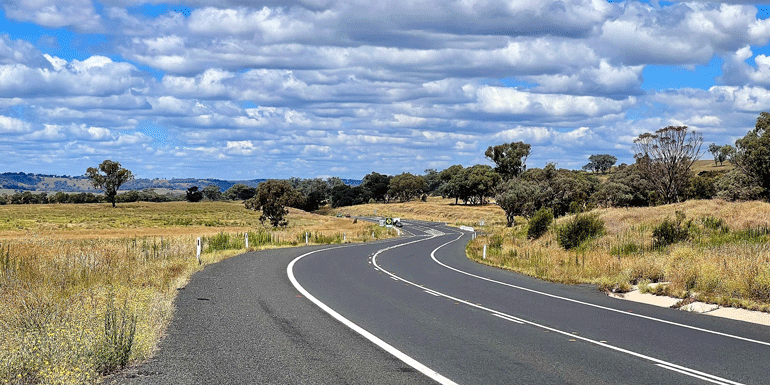
NSW councils are building climate risk into their business-as-usual planning and policies for the first time, thanks to products developed using NARCliM’s locally relevant climate modelled data.
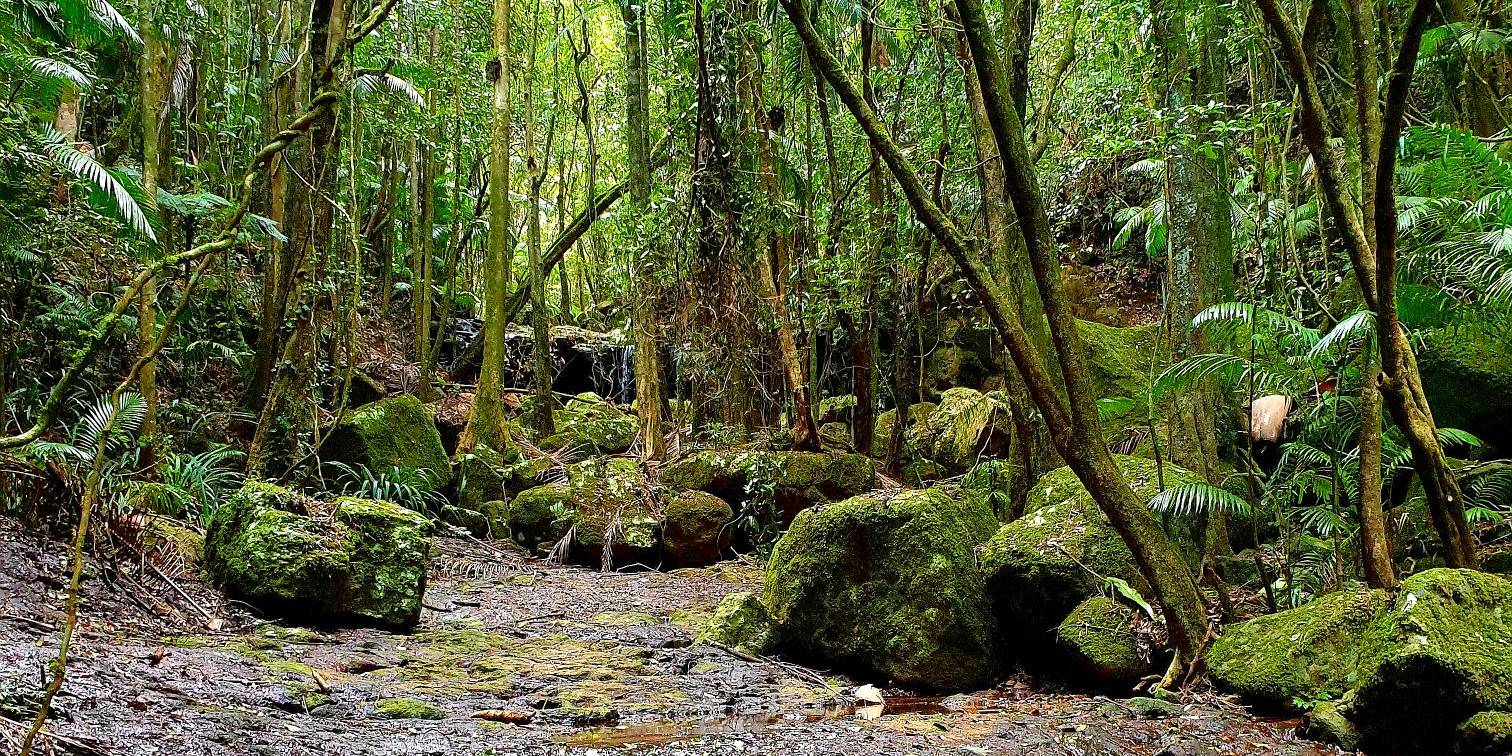
The NSW Government has created the first holistic adaptation plan to protect a World Heritage rainforest from climate change impacts – and now ground-breaking genetic science is giving some rare and threatened species a helping hand to adapt and evolve.
Climate change creates a significant risk to infrastructure, people, and the economy. The impacts from climate change, including damaging weather events, has already cost the state an estimated $3.6 billion per year.