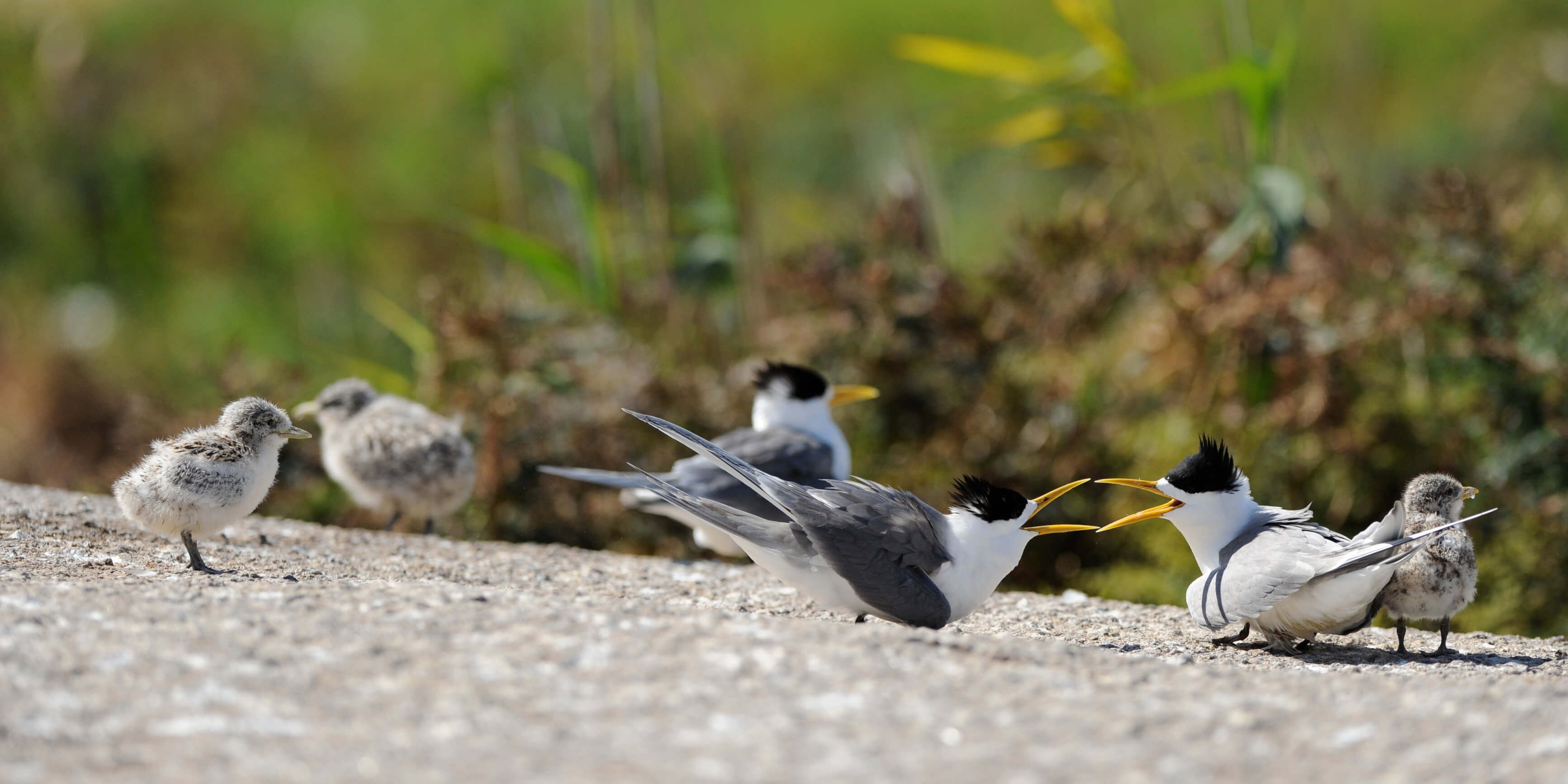
NSW climate drivers and changes
NSW contains many different climates based on its varied geography and rainfall patterns. The NSW climate has been slowly warming since the 1960s.
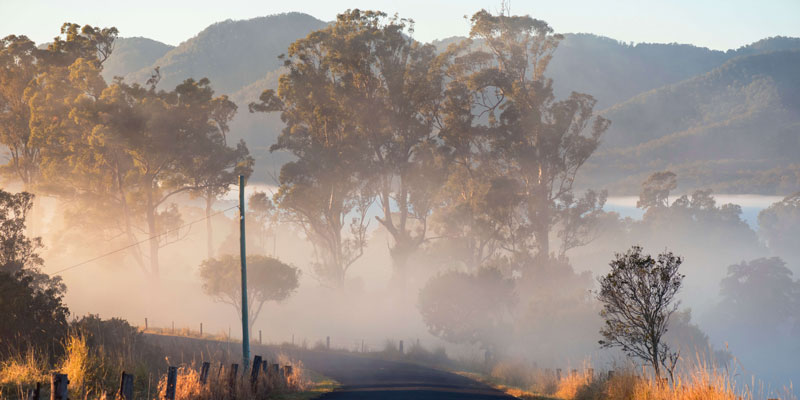
NSW emissions
Most greenhouse gas emissions in NSW are from the energy sector. Certain industries have increased their emissions since 2018, while others have decreased.
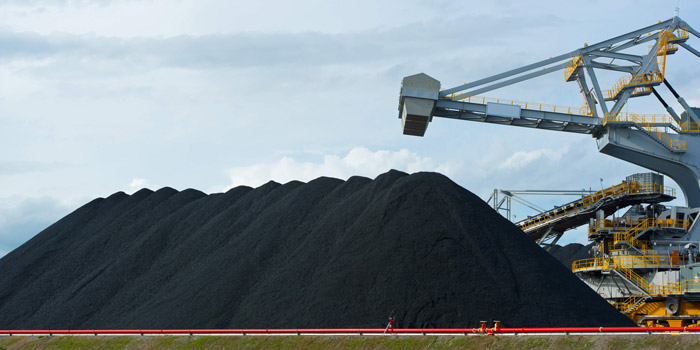
NSW Government action on climate change
The NSW Government is responding to climate change by helping businesses, households, communities and councils to adapt to climate change and reduce emissions.

Australian climate change observations
Australia's average land and sea temperatures have increased and continue to rise. Our rainfall patterns are changing and fire weather is increasing.
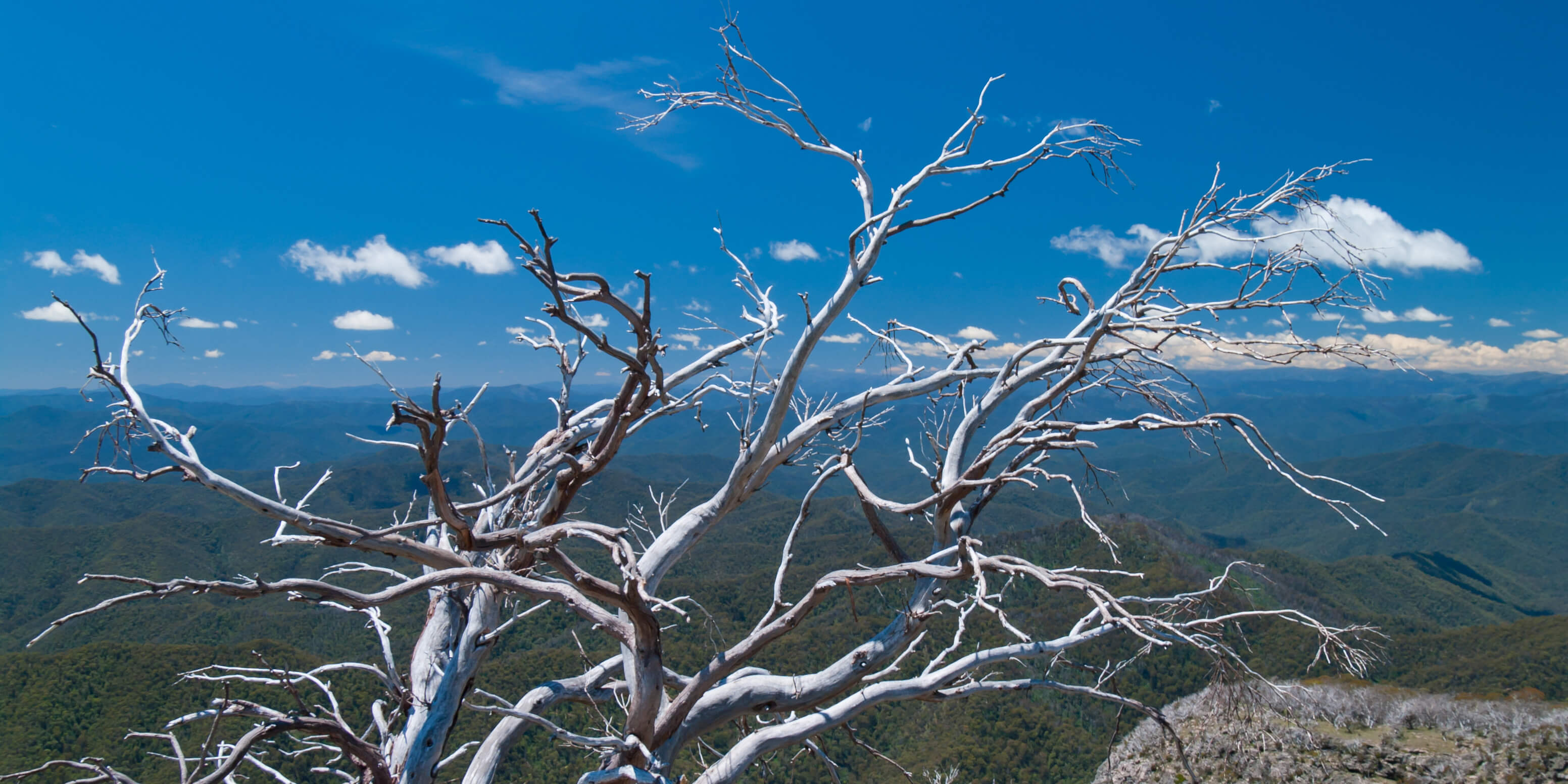
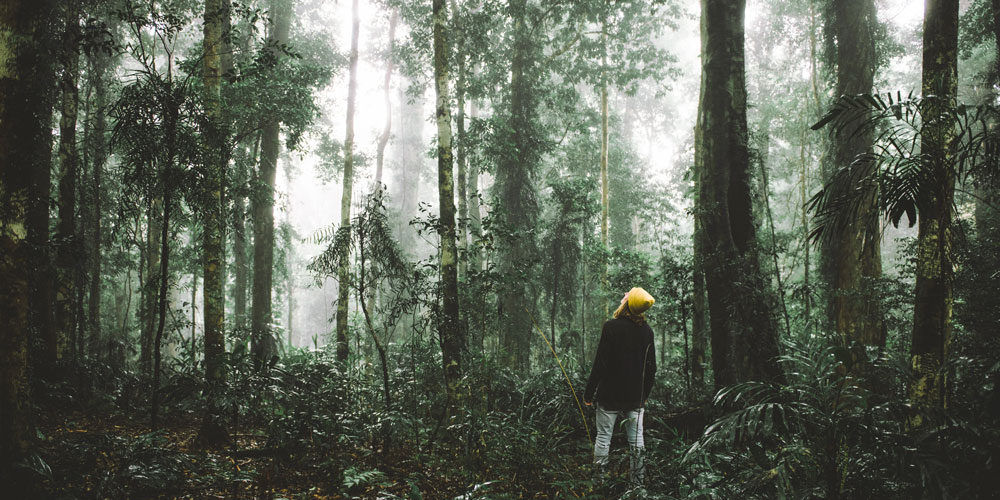
Rainforests
Climate change is one of the biggest threats to rainforest ecosystems and species in NSW through, changes to temperature, rainfall and fire regimes.
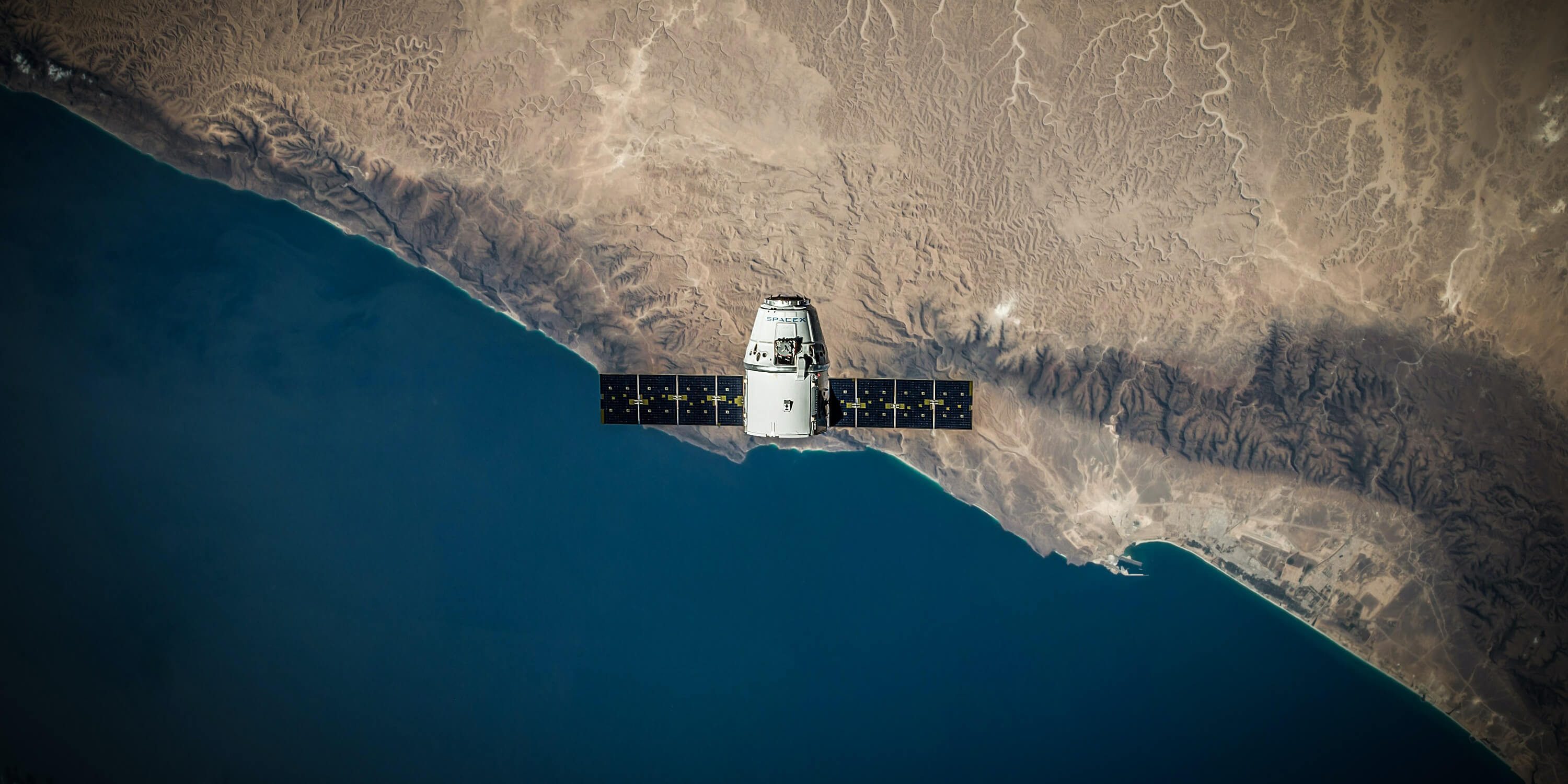
Global climate change observations
Land and sea temperatures have increased over the past 100 years and continue to rise. Ice caps and glaciers are melting and sea levels are rising.
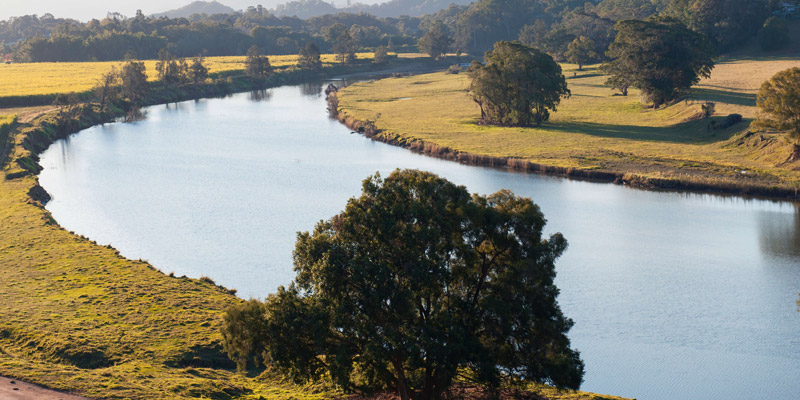
Rivers and wetlands
Climate change is threatening NSW's rivers and wetlands through increased temperatures, changed rainfall patterns and more extreme weather events.
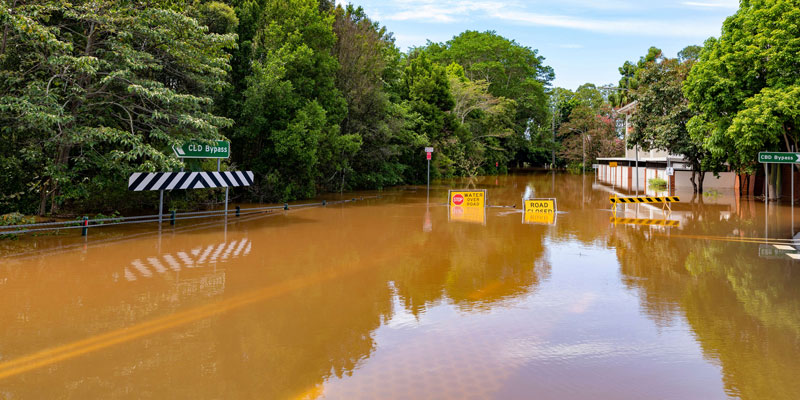
Storms and floods
Climate change is expected to make floods and storms more severe in NSW. Flooding in NSW costs our economy over $250 million every year.
Water resources
Find out how climate change is impacting NSW's water resources. Increased temperatures and changing rainfall patterns are reducing water availability in parts of NSW. groundwater
Natural environment
Climate change is one of the biggest threats to biodiversity and is happening too quickly for many natural environments and species to adapt.