Key points
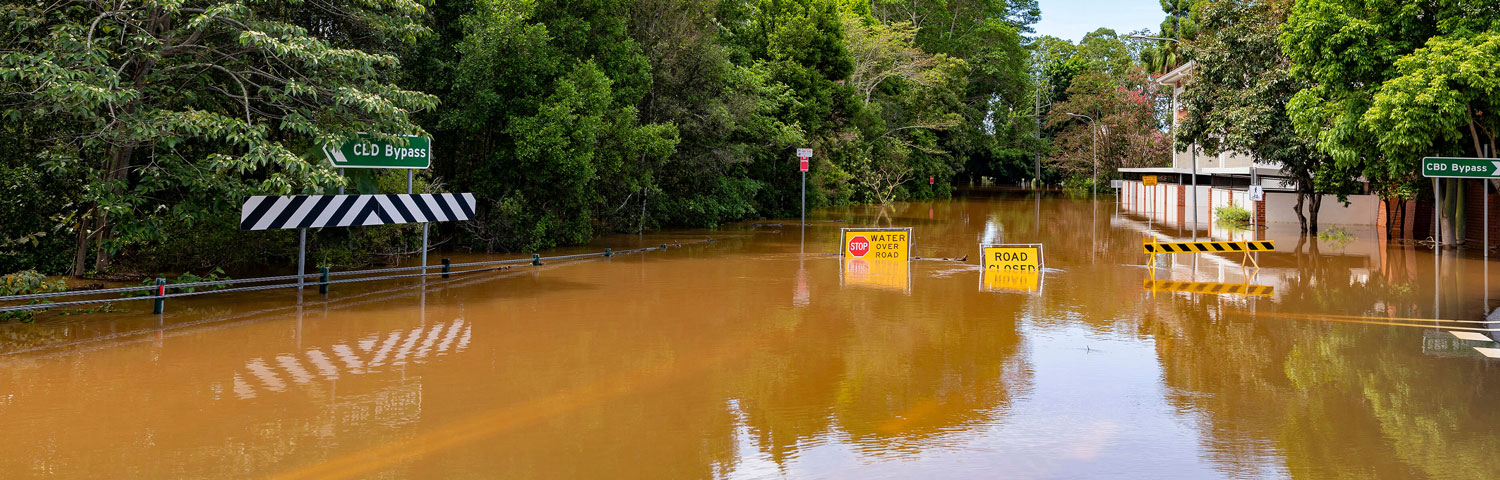
- Storms and floods bring valuable rainfall and water to parts of NSW, yet they can have severe impacts on people, businesses and environments.
- Several times each year, intense low-pressure systems called east coast lows cause gale-force winds, heavy rainfall and dangerous surf conditions.
- Flooding in NSW costs our economy about $250 million every year.
- Climate change is expected to make storm and flood events more severe.
- The NSW government is adapting through the Flood plain Management Program, as well as investing in research and the ongoing development of robust climate change projections.
Causes of storms and floods in NSW
Storms and floods are influenced by different factors across NSW.
Common storm types include
- thunderstorms, which are common from October to March and are caused by warmer weather
- tornadoes, which are funnels of high wind that can occur in conjunction with thunderstorms
- tropical cyclones, which can also cause strong winds, heavy rainfall and flooding in north-eastern parts of NSW
- low pressure systems and troughs, including east coast lows.
East coast lows are intense low-pressure systems that develop off Australia’s east coast. These are the main cause of severe storms in the coastal areas of NSW and often cause gale-force winds, heavy rainfall and dangerous surf conditions.
East coast lows usually occur around 10 times each year and are more common during autumn and winter. They can grow rapidly overnight, making them one of the more dangerous weather systems in NSW.
East coast lows also provide important rainfall to fill catchments and water reservoirs across the NSW coast and nearby ranges.
Natural climate processes, such as the El Niño–Southern Oscillation (ENSO), can also cause serious flooding across NSW. ENSO transports moist air from the Pacific Ocean over parts of NSW, completing a cycle. Some years, ENSO will bring above-average rainfall to NSW, and in other years it will bring much less.
The impact of storms and floods in NSW
Storms and floods are a natural part of the NSW climate. They bring valuable rainfall and water to parts of the state, yet they can have severe impacts on people, businesses and our environment.
Storms and floods cause damage to property and infrastructure such as roads and services. They also affect the health and wellbeing of NSW communities by causing emotional distress, injury and loss of life. The economic losses caused by NSW flood events between 1967 and 2022 reached more than $11.8 billion (in 2022 dollars).
The heavy rainfall and dangerous surf conditions associated with east coast lows can cause erosion of beaches and important coastal habitats. This erosion can also affect houses, infrastructure and services.
In early 2022, NSW experienced catastrophic flooding events. Floods occurred across the state in both coastal and inland areas, from the Queensland border to the south coast. In almost 2 months of flood events, 13 lives were tragically lost, more than 2,200 flood rescues were performed, and 4,055 properties were destroyed. Further flood events in 2022 and 2023 added to the total lives lost and properties destroyed, along with over $432.4 million of damage to agriculture across the state.
How storms and floods are affected by climate change in NSW
Climate change is causing NSW to warm. The average temperature in NSW has been increasing since 1910. This is increasing the likelihood of extreme weather events such as heavy rainfall and storm surges near the coast.
Climate projections produced by the NSW and Australian Regional Climate Modelling (NARCliM) project show increased temperatures across NSW, which can increase the risk of thunderstorms.
Changes to temperatures and rainfall may change the pattern of natural cycles such as the El Niño–Southern Oscillation (ENSO), making storms and flooding more unpredictable.
In terms of east coast lows, climate modelling suggests there may be more extreme low-pressure systems in the warmer months, and fewer small to moderate low-pressure systems in the cooler months. Storms caused by east coast lows vary from year to year, and decade to decade. This makes it difficult to project when they will occur, how severe they will be and how they might be affected by climate change.
Other impacts of climate change, such as sea level rise, will make coastal storms and floods even more damaging, as erosion and flooding will occur further up the shoreline and further into coastal waterways.
These climate changes and impacts are projected to keep increasing in the future.
Adapting to storms and floods in NSW
To adapt to storms and floods in NSW, we need to understand them and the risks they present to our communities both now and into the future. Integrating climate risk management into land and water management is crucial in helping us meet these challenges – land and water managers can find detailed adaptation guidance on the Climate-adapted land and water management pages.
Local councils (with assistance from the NSW Government) are responsible for the management of flood risks in their service area.
The Flood Risk Management Manual guides councils in managing flood risk to their communities by supporting councils to:
- understand flood risk to the community and how this may change into the future
- make decisions on how to appropriately develop flood-prone land for existing and future communities
- provide flood information to support emergency management planning
- make informed decisions on managing flood risk by understanding the viability of flood risk management measures such as levee banks and flood warning systems
- how to educate communities about flood risks in their area.
Flood studies and flood risk management studies and plans that have been completed for different local government areas in NSW can be found on the relevant council's website and through the NSW Government Flood Data Portal.
The NSW Government provides information and support for local councils and communities to manage flood risk before, during and after floods, by:
- building the resilience of local communities so they can respond to floods safely and recover faster
- planning for and managing emergencies so the community knows how to respond safely to a flood event
- developing policies and guidelines that help councils manage flood risk, including guidance on how to incorporate climate change into understanding future flood risks
- supporting rural floodplain planning
- managing the collection of water-level data to inform flood warnings to communities.
Research on east coast lows and flash flooding has collated information on the historical impacts of these events. This local data is important for NSW to plan for future events, as larger-scale climate models cannot provide detailed future projections at this regional scale.
More broadly, the NSW Government is taking action on climate change through multiple pathways, including the Climate Change (Net Zero Future) Act 2023, the NSW Climate Change Adaptation Strategy and the NSW Climate Change Adaptation Action Plan 2025–2029.
Related information
Floodplains - NSW Government
New South Wales Weather and Warnings Summary - Australian Bureau of Meteorology
East coast lows - Australian Bureau of Meteorology
Expert Team on Climate Change Detection and Indices (ETCCDI)
Case studies

Santos Organics is redefining what a retail food business can be. As a not-for-profit organic food retailer, community hub and incubator for First Nations enterprises, Santos Organics strengthens local food security, supports local food producers, and activates rapid, community-led resilience during climate shocks.
The Living Lab, located in a Lismore main street, is a design and research collaborative conceived following the floods of 2022, which wrought untold havoc on the Northern Rivers region.